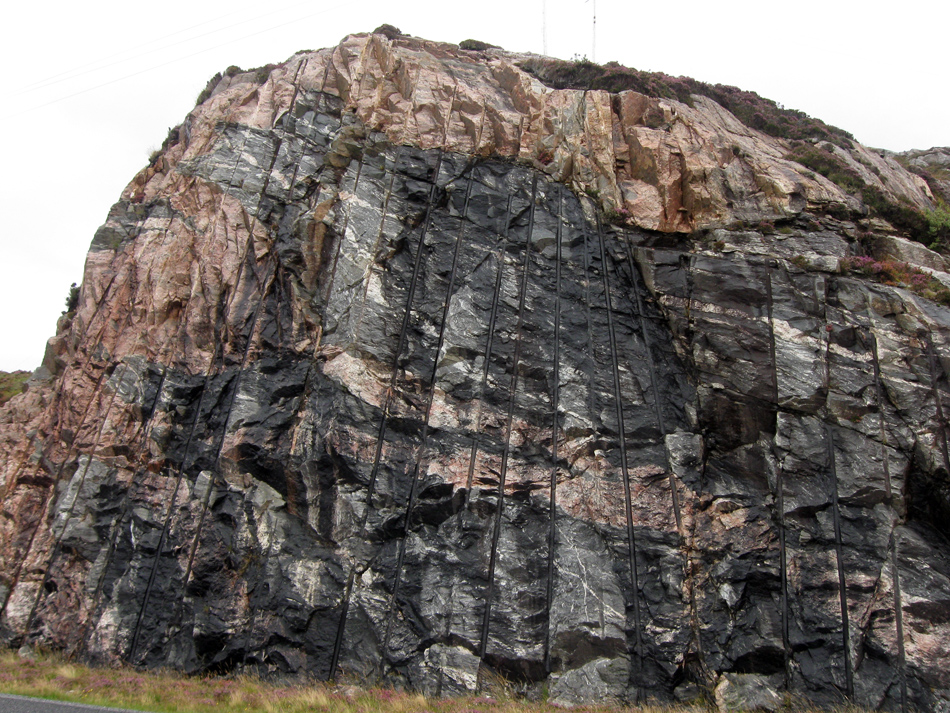
I had wanted to find the layby where you can see a fine example of Scottish geology, and thought we had found it, but it looked a bit different from the photos I had seen on the Internet. I later found out that we’d only been ‘just around the corner’ from the example in the photos!
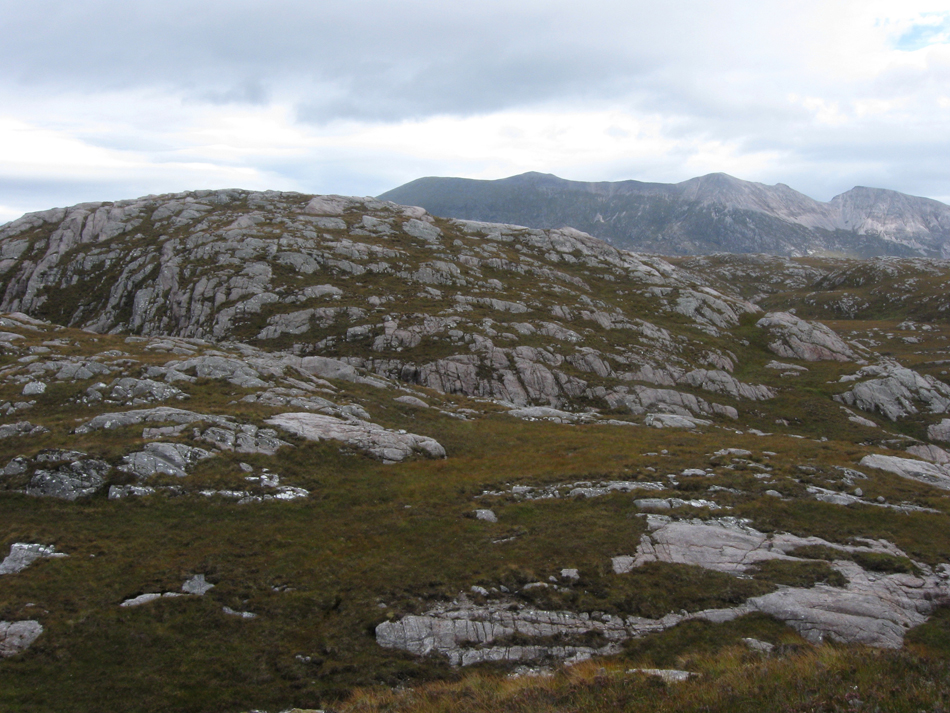
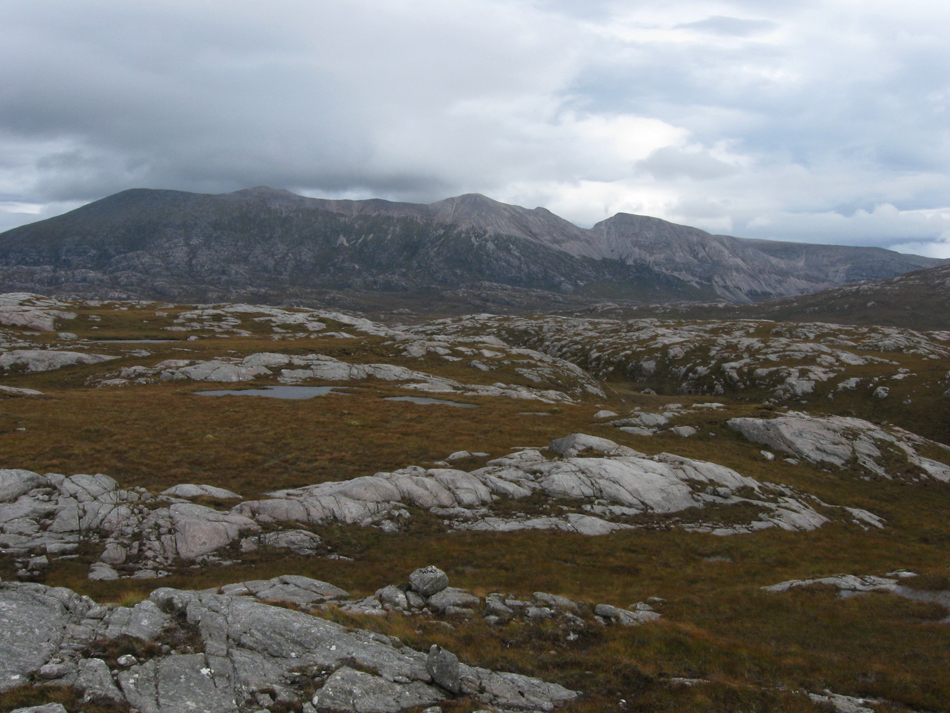
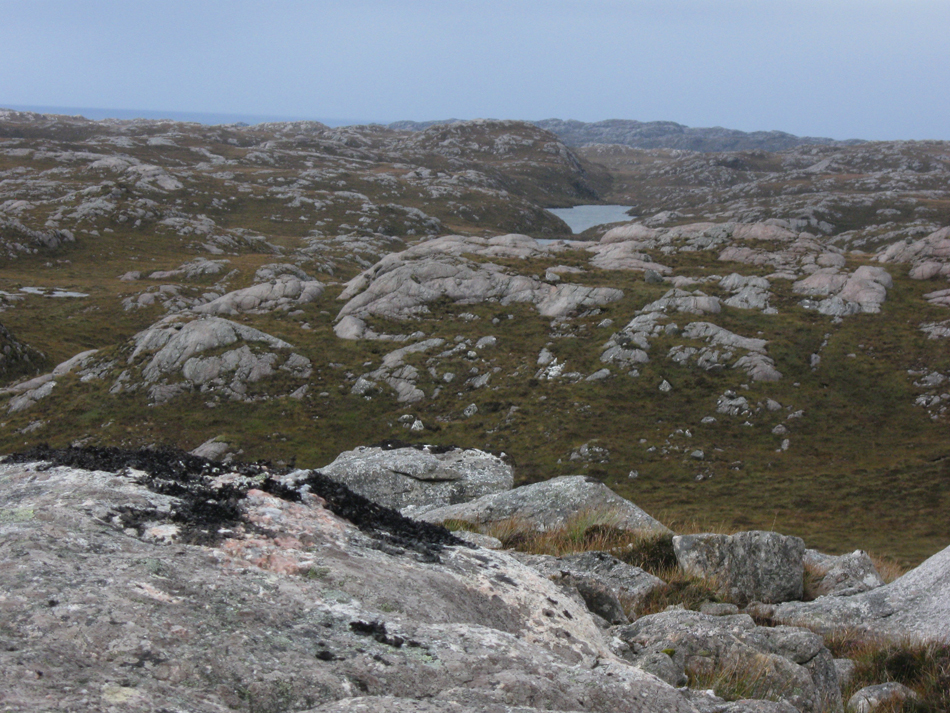
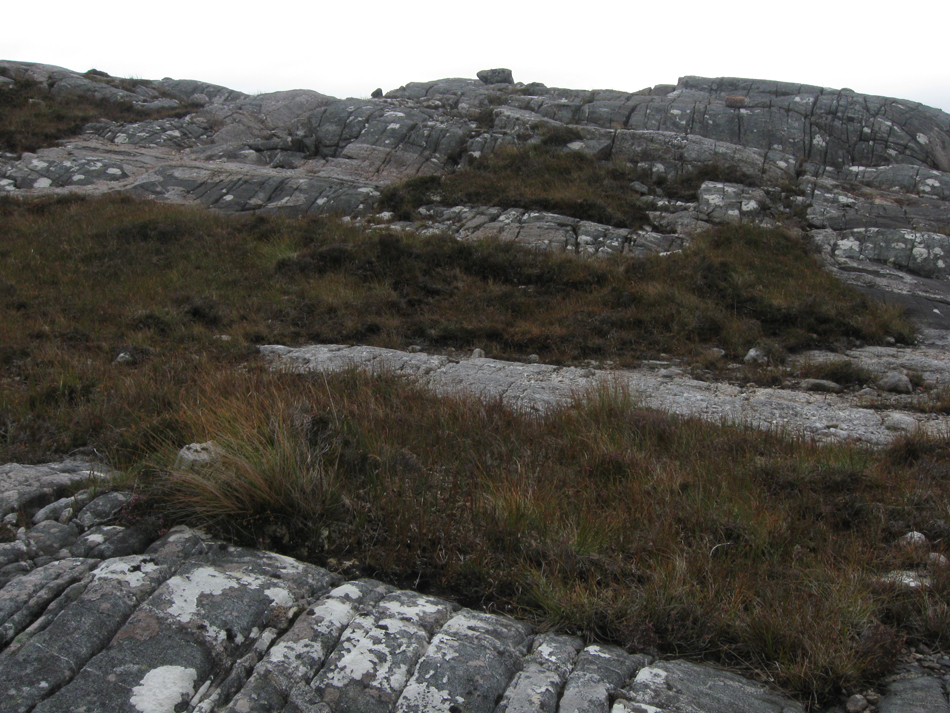
After that, we went to explore the expanse of gneiss nearby, which B had spent quite a long time drawing as part of one of his recent large drawings. We had only seen it from a distance (see the posts on the walks on Arkle or Foinaven), and walking over the terrain made us realise that this stuff (the humpy bits of the so-called ‘cnoc and lochan’ landscape) is quite big! It takes a bit longer than you might think from looking at a map to cover the ground.
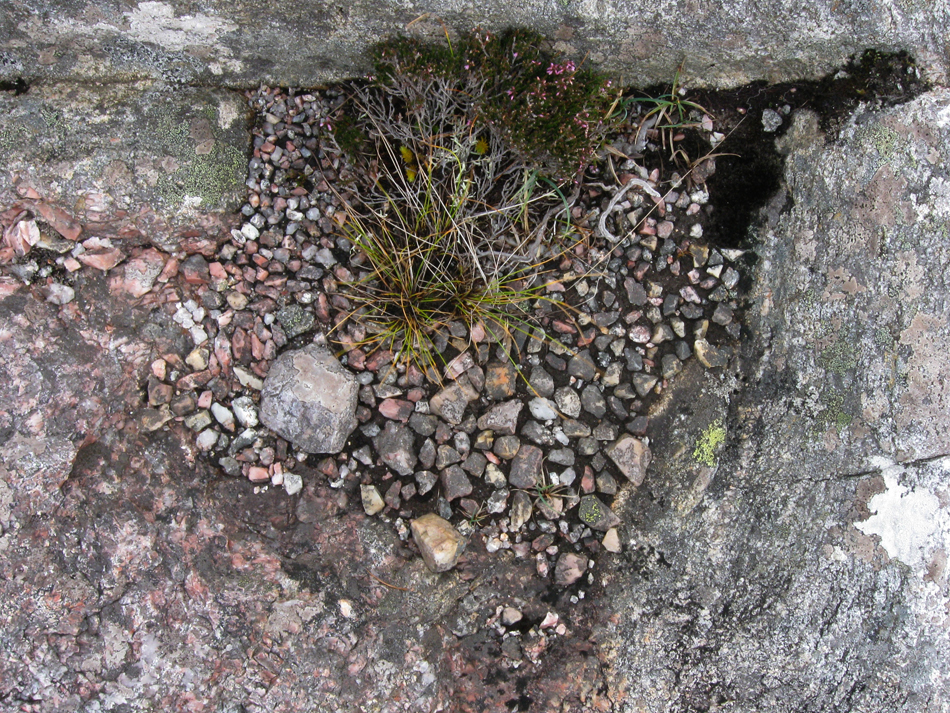
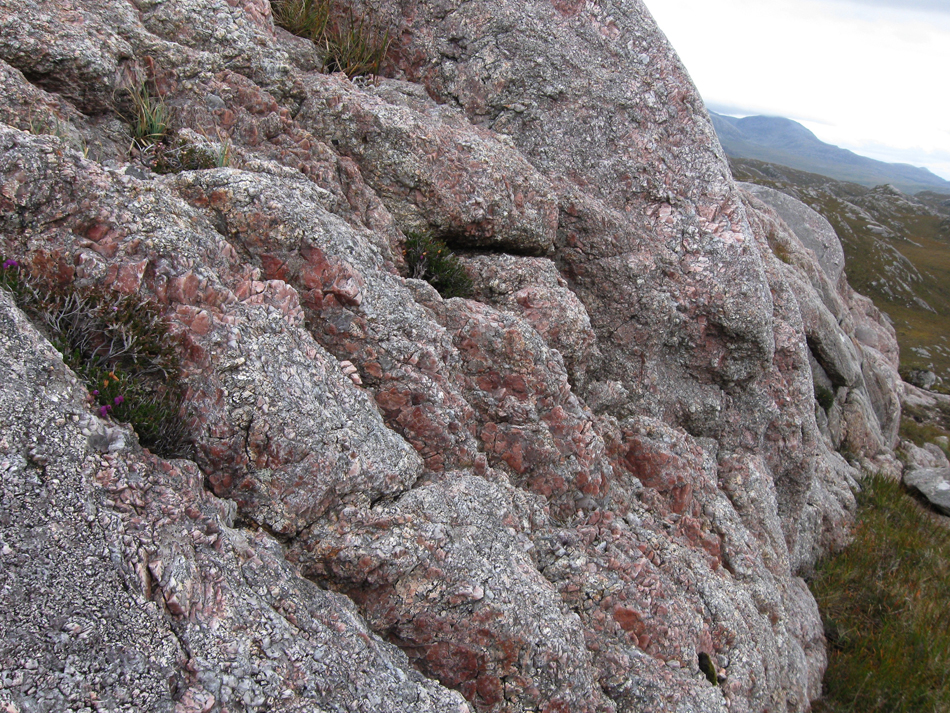
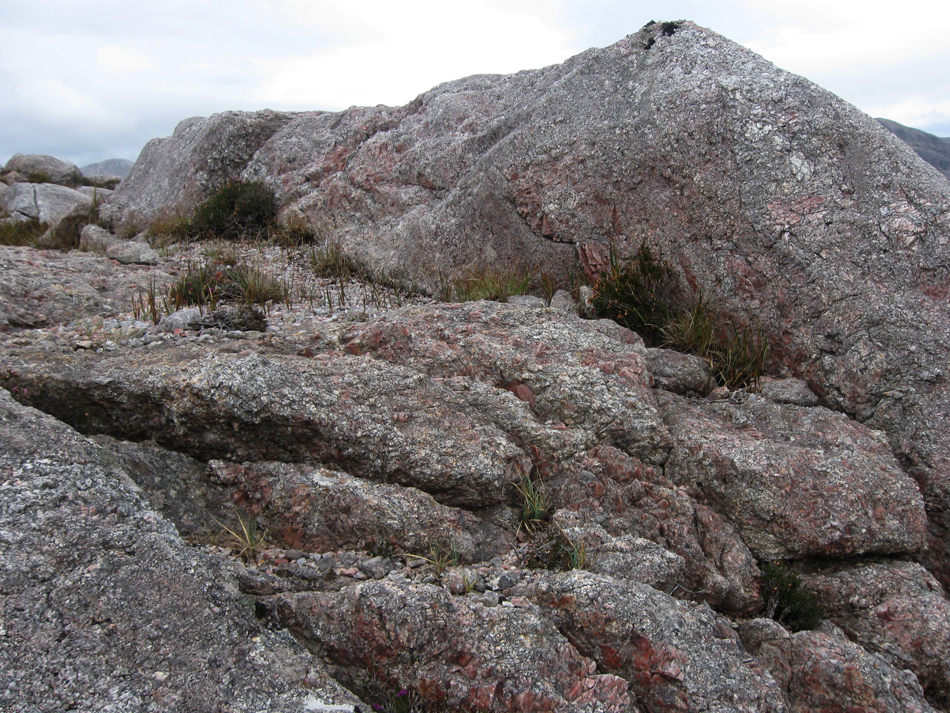
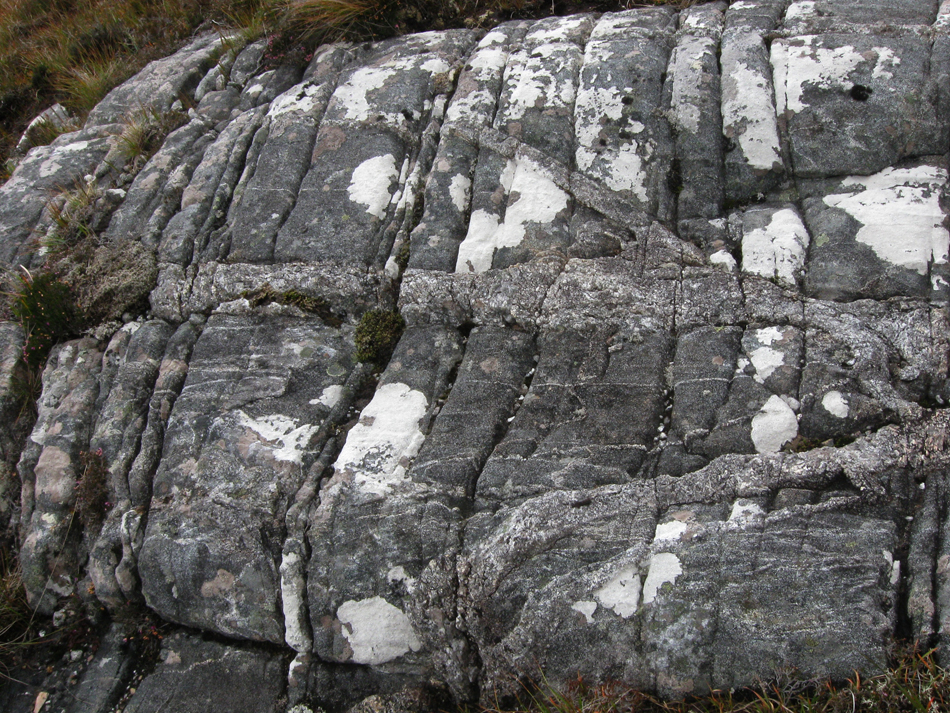
Looking for ‘the’ layby showing the geologically significant rock layers, we found this one instead (later finding out the one I was looking for had been only a short way away!)
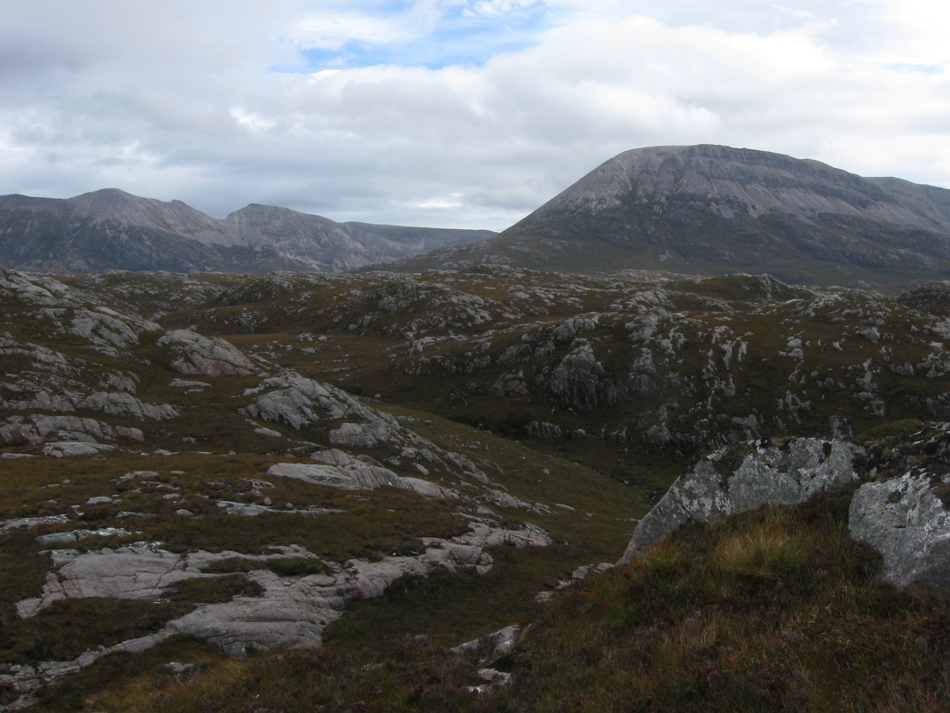
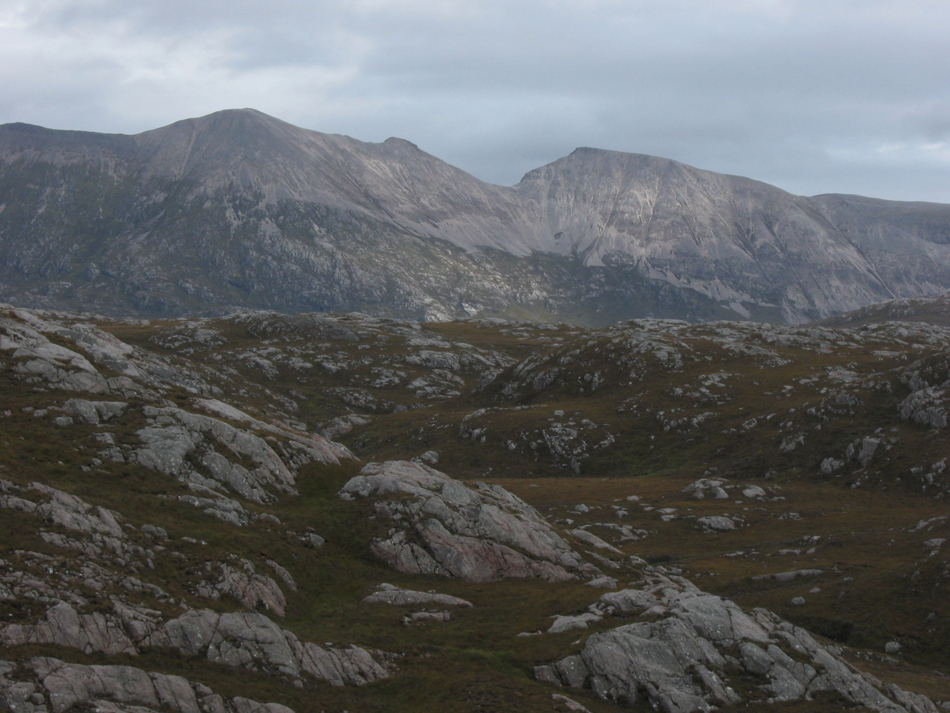
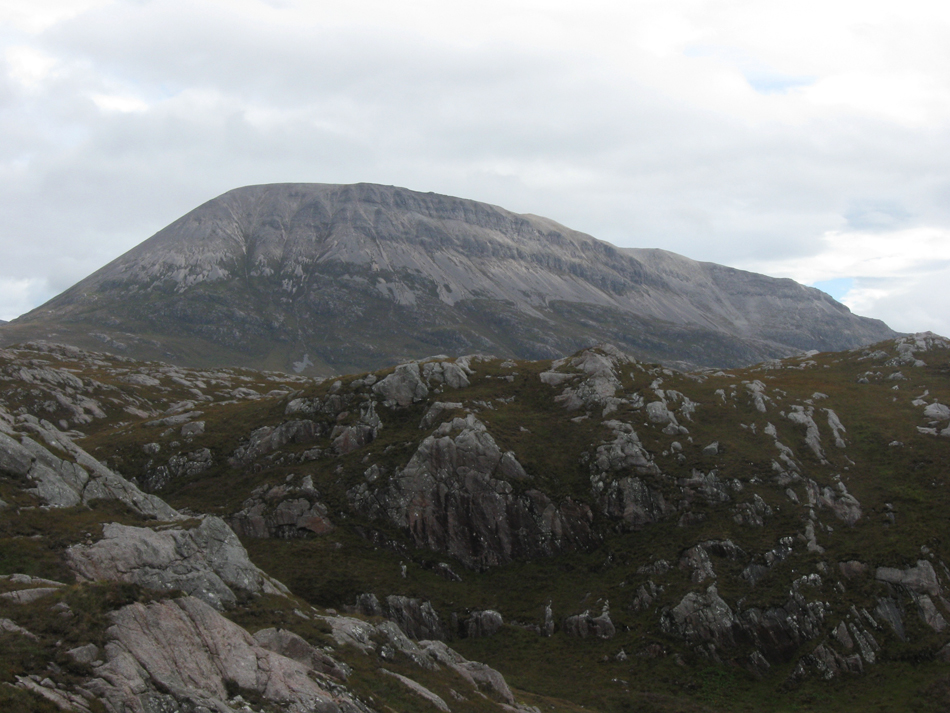
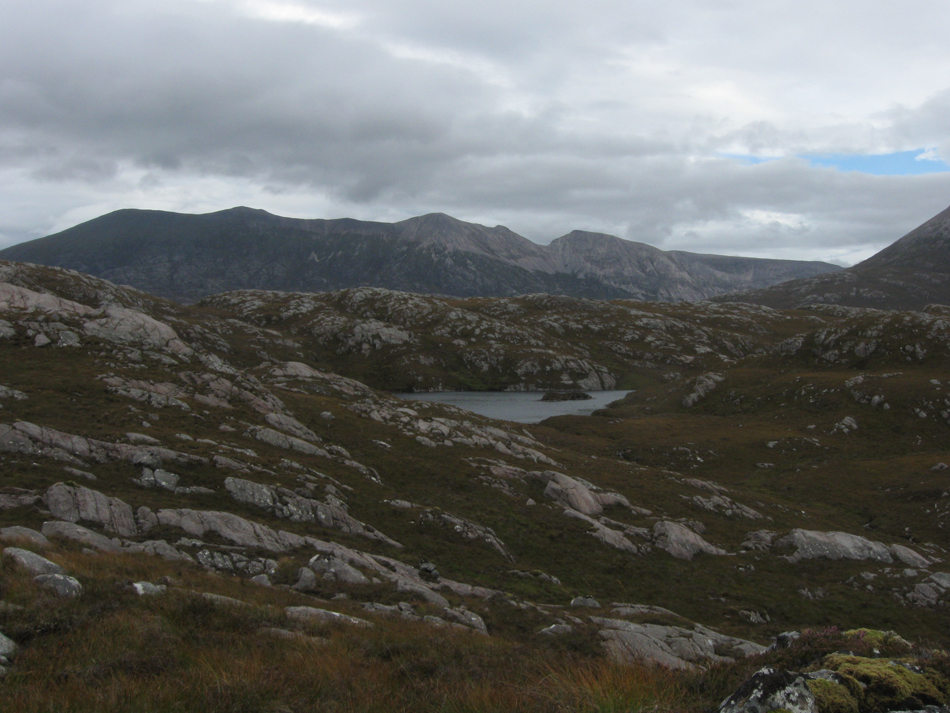
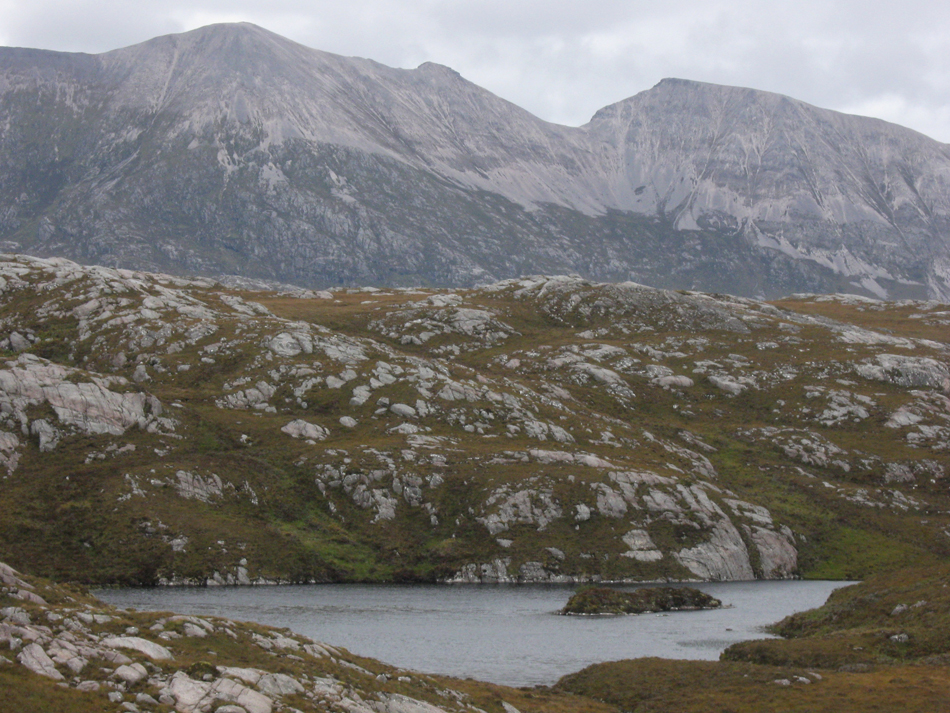
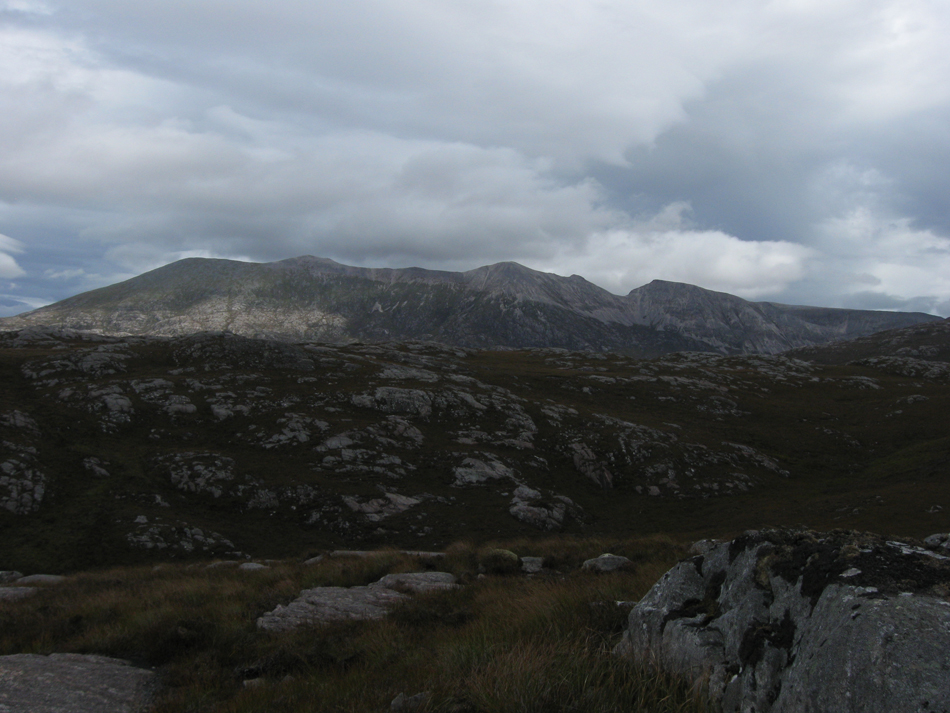
Foinaven (left) and Arkle (right) behind rolling mounds of gneiss. The gneiss is surprisingly tall once you start walking over it. We didn’t realise this when we saw it previously from atop Ben Stack or Foinaven (see other entry on Foinaven)
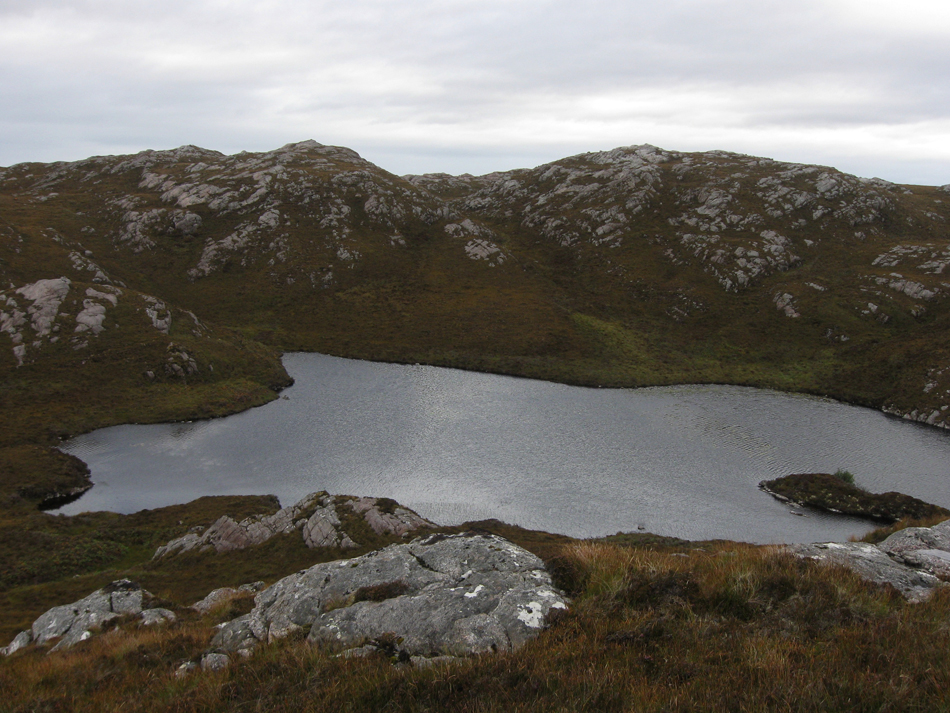
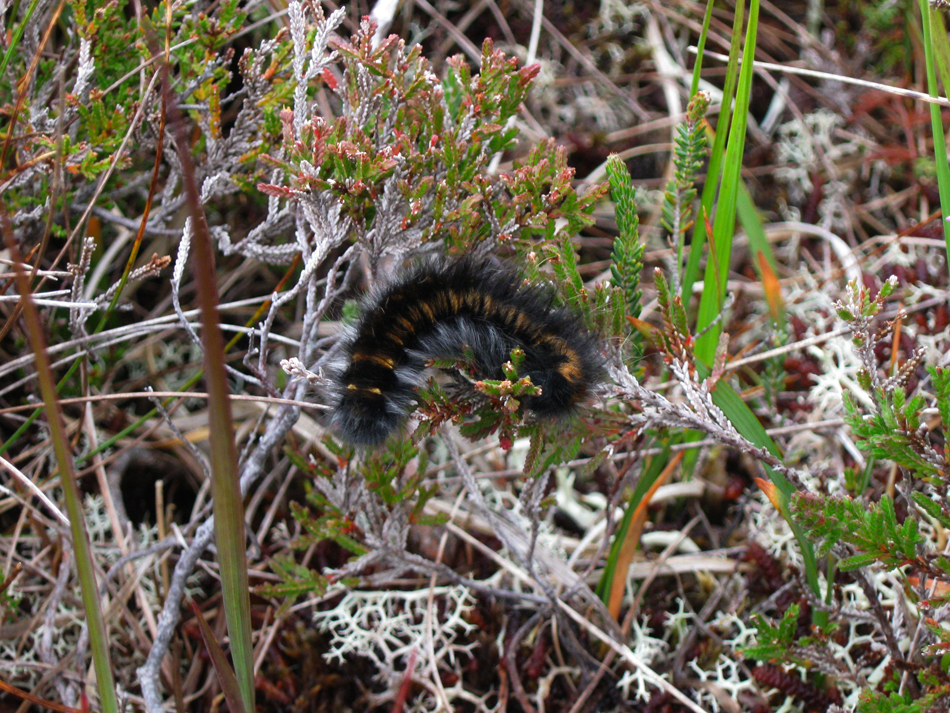
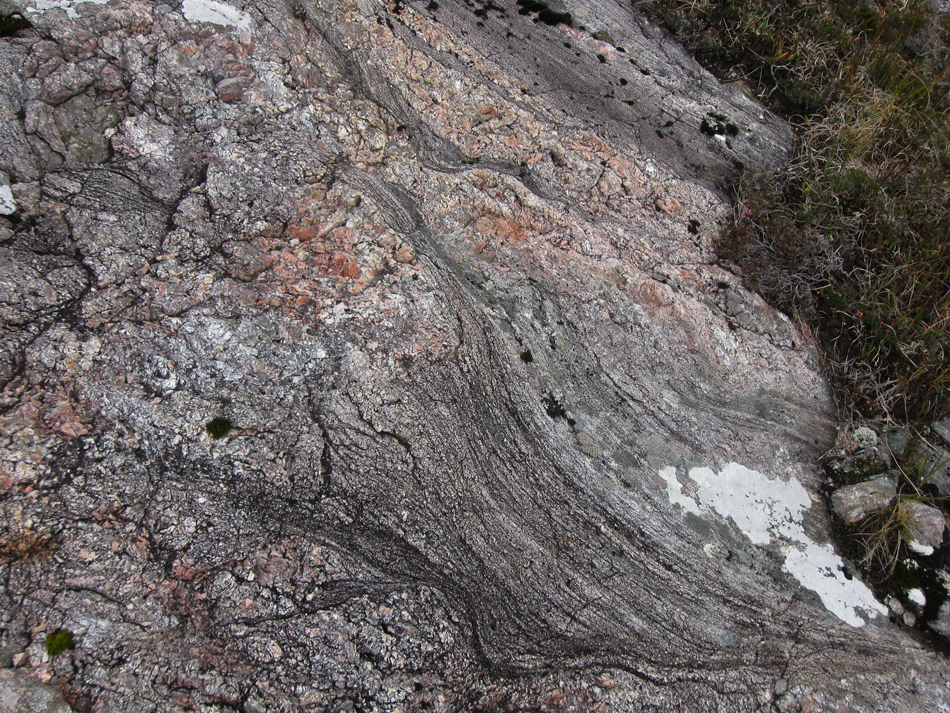
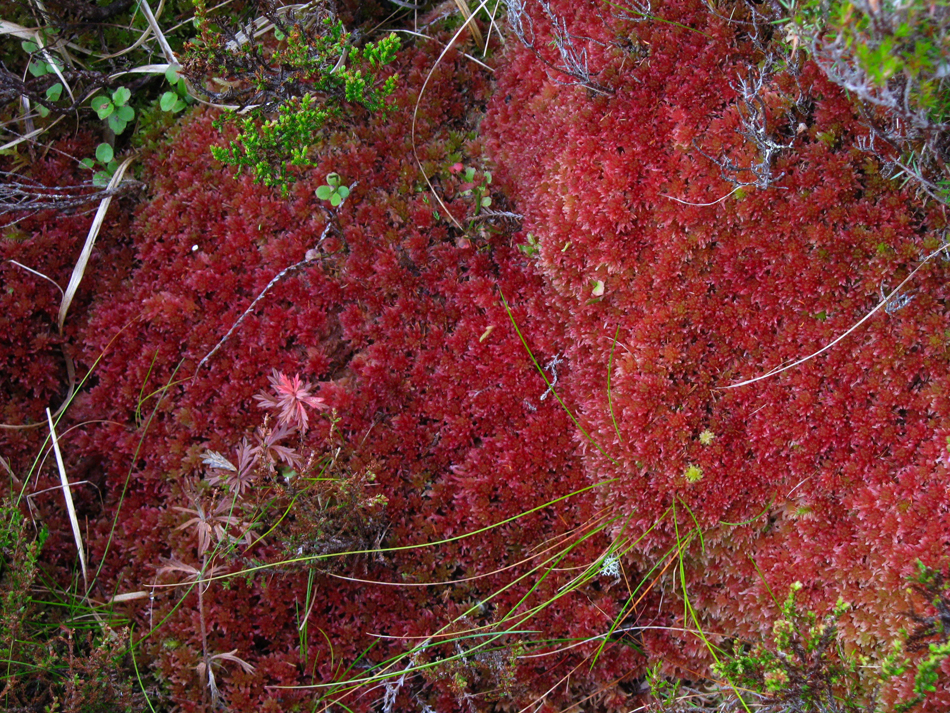
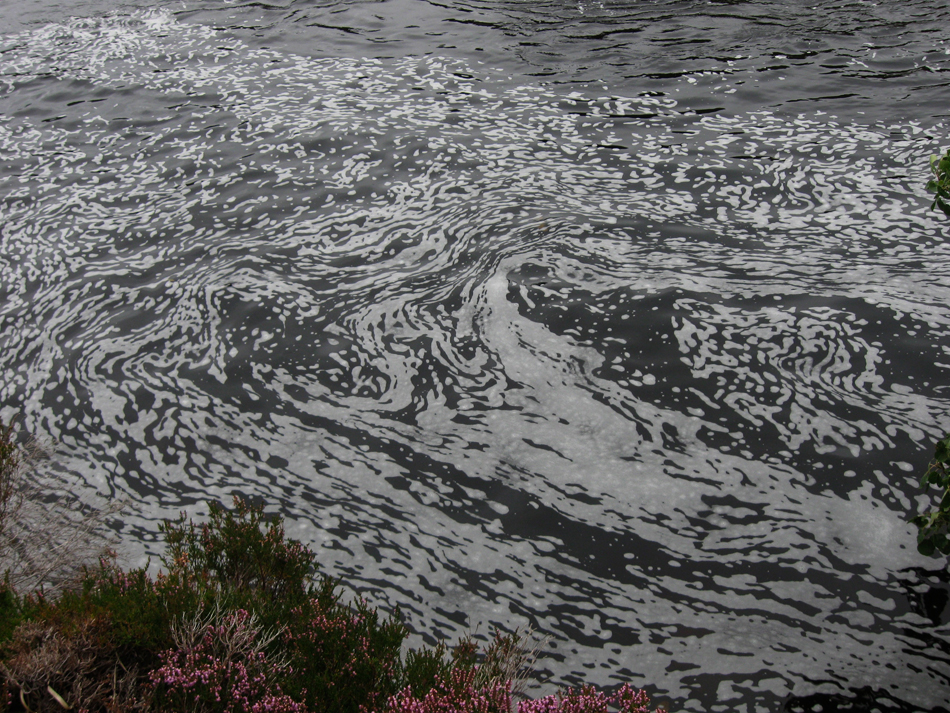
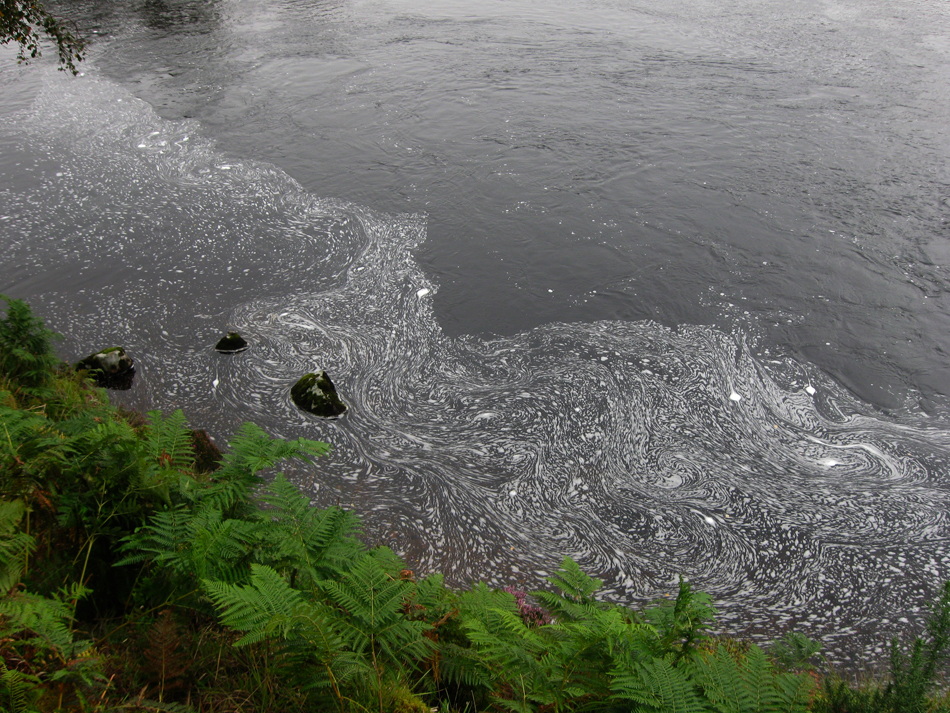
Gneiss and FoinavenCloser-up view of Foinaven ridge, which is said to be neglected due to its just-sub-munro status, despite being one of the fineset ridges in the Far NorthArkle seen behind gneissFoinaven ridge, with Loch Glac a’ Mhind amongst the gneiss in the foregroundFoinaven and Loch Glac a’ Mhind – close-upA little natural rock garden?Pink gneiss (horizon a bit wonky?)More gneiss – looking like a miniature landscapeFoinaven ridge, againOne of the many nameless lochans admist the gneissYet another view of FoinavenLoch Glac a’ MhindA very furry-looking fox moth caterpillarRock patternRed sphagnum mossInteresting rocksClose-up of rockPattern in waterBranches, water and landPatterns in water